

Why Can't I Follow Through on Goals?
You wrote the goal. You felt the pull. So why can't you follow through? The gap isn't motivation — it's the missing bridge. Here's the 3-step ritual.
The Tribe of Giants · October 13, 2026

Most goal-tracking apps want you to log what you did and then show you a chart about it. Giant Crossings works a different way: it asks you to invent the next real move yourself, plan for the version where it doesn't go well, and then tell your crew the truth about what actually happened — falls included. That's the whole difference between logging and building.
You already know the mechanics. A plank is one real act, decided by you, based on the gap you're trying to close. What's easy to miss, once a crossing becomes routine, is the part that matters most: writing down what you expect to go wrong before you take the step, not after. That's where the thinking actually happens. Skip it and a crossing turns into a checkbox — which defeats the entire point of the game.
Here's the piece worth sitting with this week: your Giant counts what you did after you fell, not whether you crossed clean. If your last few crossings have all been wins, that might mean you're choosing planks that are too safe to report on honestly. Knowing your goal isn't the same as acting on it — and a crossing you already know you'll land doesn't teach you anything new about the gap.
The crew part isn't optional either. A crew of up to eight is building a shared bridge with you, which means your honest report about a fall becomes someone else's information for their next plank. That only works if the report is real. If you've been polishing your crossings before you post them, you're quietly turning the one feature that makes this different from a tracker back into a tracker.
So try this on your next one: write your "what I expect to go wrong" line before you act, not after, and post the real outcome even if it's a fall.
What's one crossing you planned for failure on — and what actually happened when you took the step?
You wrote the goal. You felt the pull. So why can't you follow through? The gap isn't motivation — it's the missing bridge. Here's the 3-step ritual.

Knowing your goal and starting it are different problems — one is mental, one is physical. Here's why "just start" doesn't work, and what does.
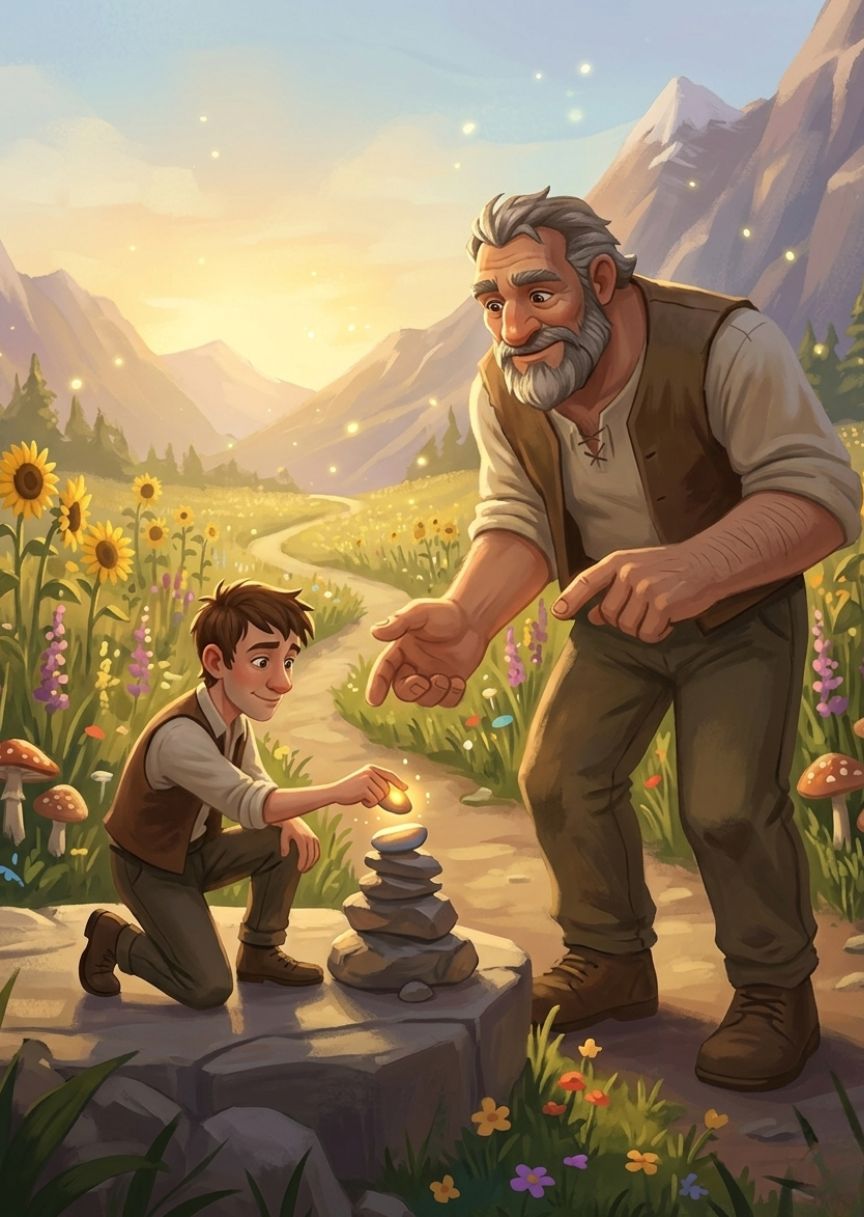
Self-compassion isn't softness—it's the operating system that makes real discipline work.

Acceptance means you stop fighting reality and start moving through it.
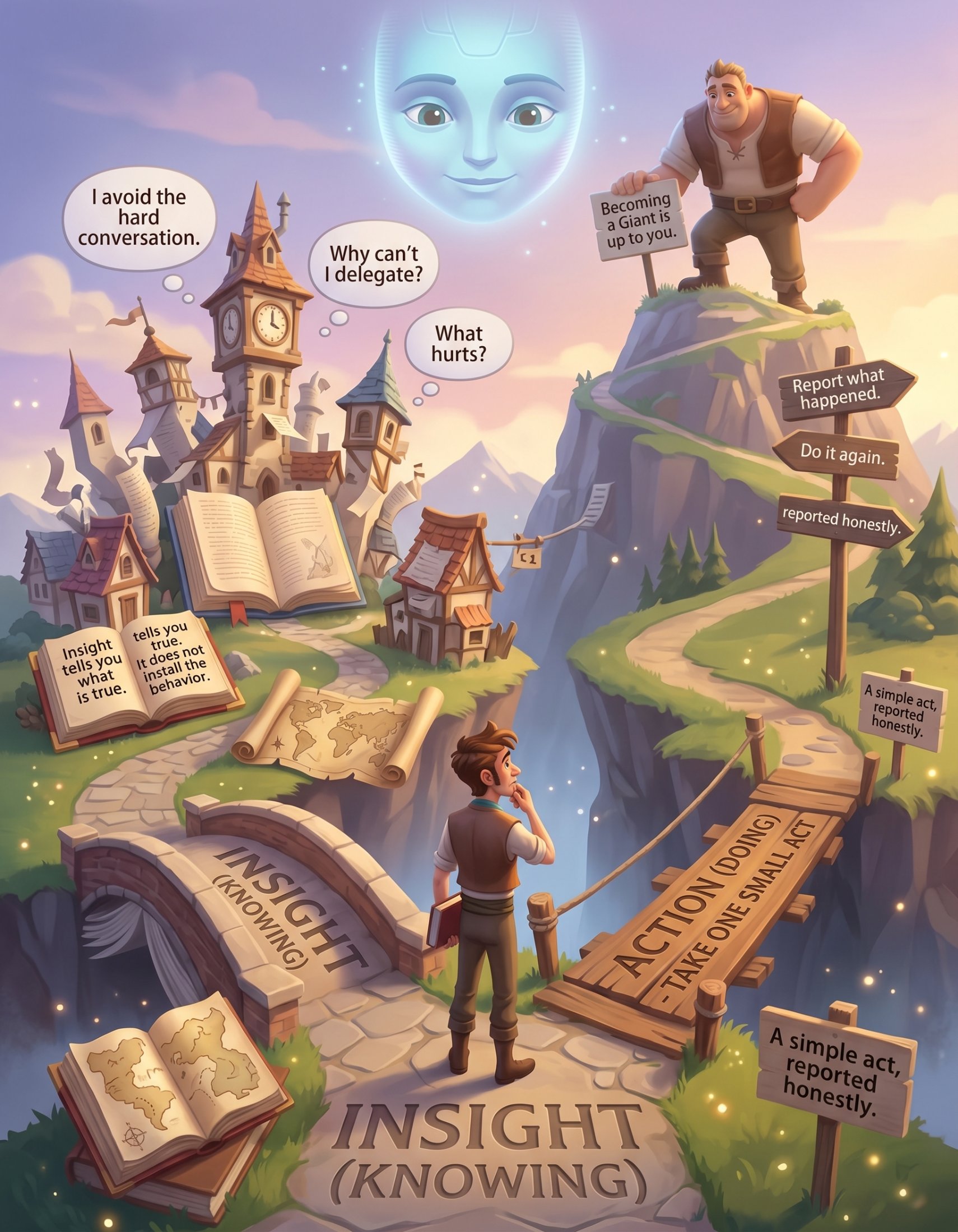
The knowing-doing gap isn't a willpower failure. Here's why insight alone doesn't change behavior—and what actually closes it, step by step.