How to Write a Legacy Letter to Your Children
Stuck on how to write a legacy letter to your children? Three starter prompts — a memory, a pattern to end, a hope — to help you begin, imperfect, today.
The Tribe of Giants · November 2, 2026
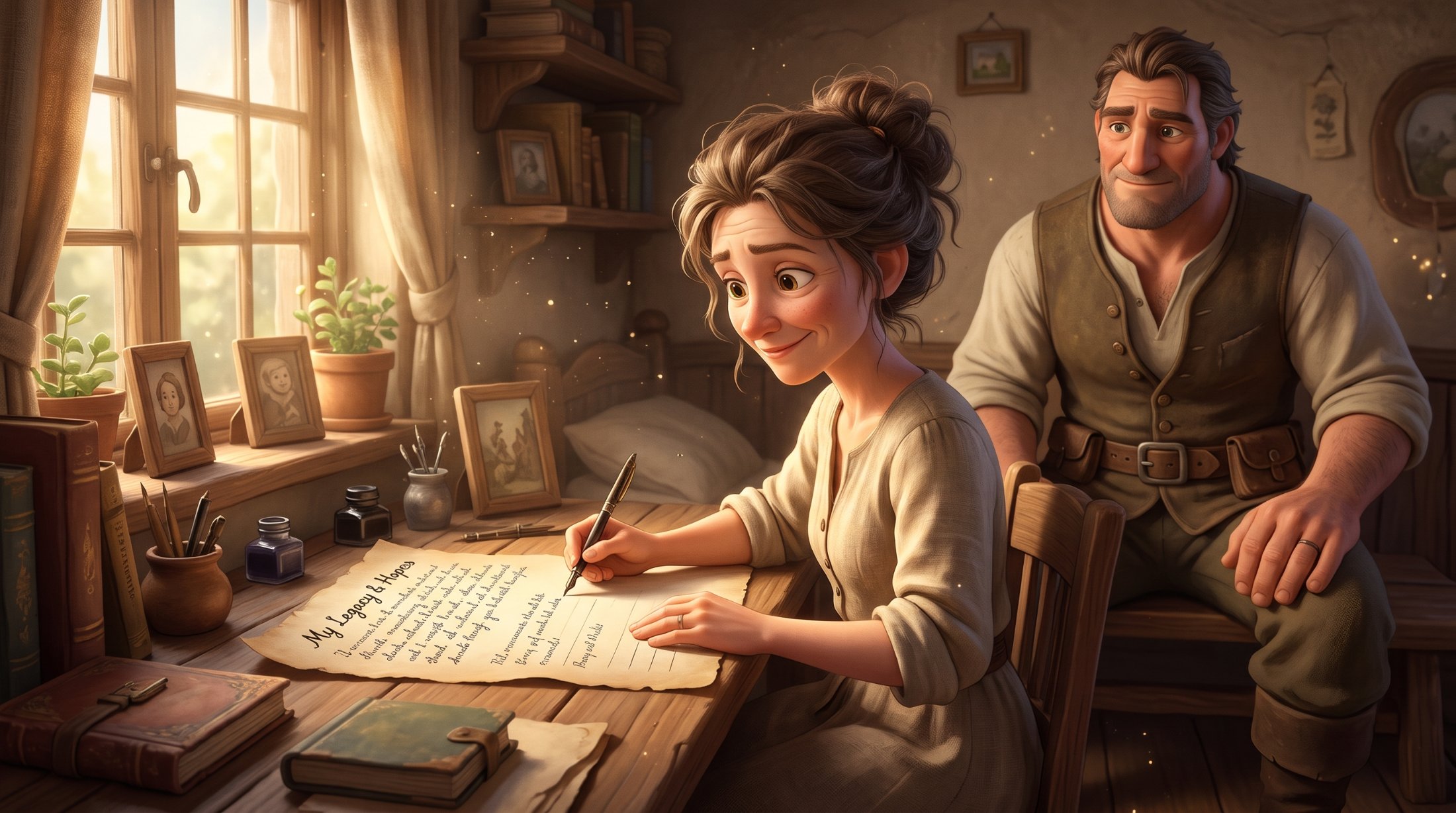
A legacy letter template is a simple fill-in-the-blank structure — a handful of open sentences and prompts — that gets your legacy letter out of your head and onto the page without you having to invent the shape of it first. Below are three starter templates with example language, built for the moment you know you want to write one and genuinely don't know where to begin.
TL;DR: Pick one template below, fill in the blanks in any order, and don't worry about it reading well yet. A legacy letter isn't a will and it isn't a eulogy — it's what you want someone to know about who you were and what mattered to you, in your own plain words.
Most people don't stall on a legacy letter because they lack things to say. They stall because a blank page assumes you already know the shape — where to start, how long, how personal. A template removes that first decision. You're not writing an essay. You're finishing sentences.
In the Tribe of Giants framework, this is the territory of how to leave a legacy (the Legacy journey) — Journey 12, paired with the guide Zakiya. Her journey is about living and leaving a meaningful impact, and a legacy letter is one of the most direct, doable acts that journey asks of you: not a grand gesture, just honest words that outlast the moment you wrote them.
Use this when you want to write something today rather than wait for the perfect version.
Example (illustrative): "The thing I want you to know about me is that I was scared almost every time I made a big decision — I just didn't let it stop me. The hardest thing I ever did was start over at 44, and it taught me that starting over isn't failure, it's just the next chapter asking for a different version of me."
That's the whole exercise. Five finished sentences, in your words, is already a legacy letter.
This version builds out to a page or two. Work through the prompts in order — each one sets up the next.
Open with who this is for and why now: "I'm writing this for you because..."
Tell one specific story, not a summary: a single afternoon, conversation, or decision that shows something true about you, rather than a list of accomplishments.
Name what you got wrong: "Something I'd do differently is..." — this is often the sentence people remember most, because it's the one most letters skip.
Name what mattered more than it looked like it did at the time: a relationship, a quiet choice, an ordinary Tuesday.
Say what you hope for them, specifically — not "be happy," but what a good life looks like to you, stated plainly.
Close with the sentence you'd want them to remember if they forgot everything else.
This is the same territory covered in more depth in how to write a legacy letter to your children — that piece walks through the children-specific version prompt by prompt. This template works just as well for a partner, a sibling, a mentee, or a team you've led.
If sentence starters still feel too open, work backward from a single question instead:
"If this were the only thing I ever got to say to them, what would it be?"
Write that one sentence first. Then ask three follow-up questions and write a few lines under each:
You now have a structure without ever having stared at a blank page.
A will is a legal document that distributes what you own. A legacy letter has no legal function at all — it carries what you believe, not what you own. One protects your estate; the other protects your voice. Many people write a legacy letter alongside a will specifically because the will says nothing about who they were or why they made the choices they made.
Templates solve the starting problem. They don't solve the finishing problem — the letter that sits half-written in a drafts folder for two years. If that's your actual pattern, treat finishing the letter as one concrete act with a deadline, not an open-ended someday project. Some Tribe members turn it into a Giant Crossing: one real act, done and reported, not just planned. If you know you'll need the structure to actually follow through, the if-then plan builder is built for exactly that gap between knowing what to write and sitting down to write it.
A guide like Rimi exists in the Tribe of Giants for this kind of follow-through — daily check-ins that ask whether you did the thing, not whether you meant to. As Rimi puts it: "I'll teach you what I know—but becoming a Giant is up to you." Finishing the letter is the part only you can do.
If legacy is a pattern you want to work on beyond this one letter — not just the writing of it, but living in a way you'd be glad to leave behind — the 12 Journeys map that work end to end, with Journey 12 and Zakiya as the final stretch.
A legacy letter template is a set of sentence starters or prompts — like "the thing I want you to know about me is..." — that gives you a structure to fill in instead of starting from a blank page. It's not a legal form; it's a writing aid.
A will is a legal document that governs what happens to your property after death. A legacy letter has no legal weight — it's a personal document that passes on what you believe, what you learned, and what you hope for the people who read it.
There's no required length. The short starter template above produces a finished letter in five sentences; the full template runs a page or two. A shorter letter that's honest beats a longer one that never gets finished.
Yes. A legacy letter can go to a partner, a sibling, a mentee, a team you've led, or a friend. The templates above work for any recipient — only the specific stories and advice you fill in will change.
No. Fill in one or two prompts now and come back to the rest later. The templates are built so each finished sentence stands on its own, which means a half-finished letter is still a usable, readable one.
👉 Join free — a free account for life, with All-Access free for your first 30 days
Free, by email
Where this path starts, what changes along it, and one thing you can do today. Then four short letters over two weeks.
Stuck on how to write a legacy letter to your children? Three starter prompts — a memory, a pattern to end, a hope — to help you begin, imperfect, today.
Don't know where to start changing your life? Start smaller: notice one pattern today, name it, then take one small real step — here's exactly how.
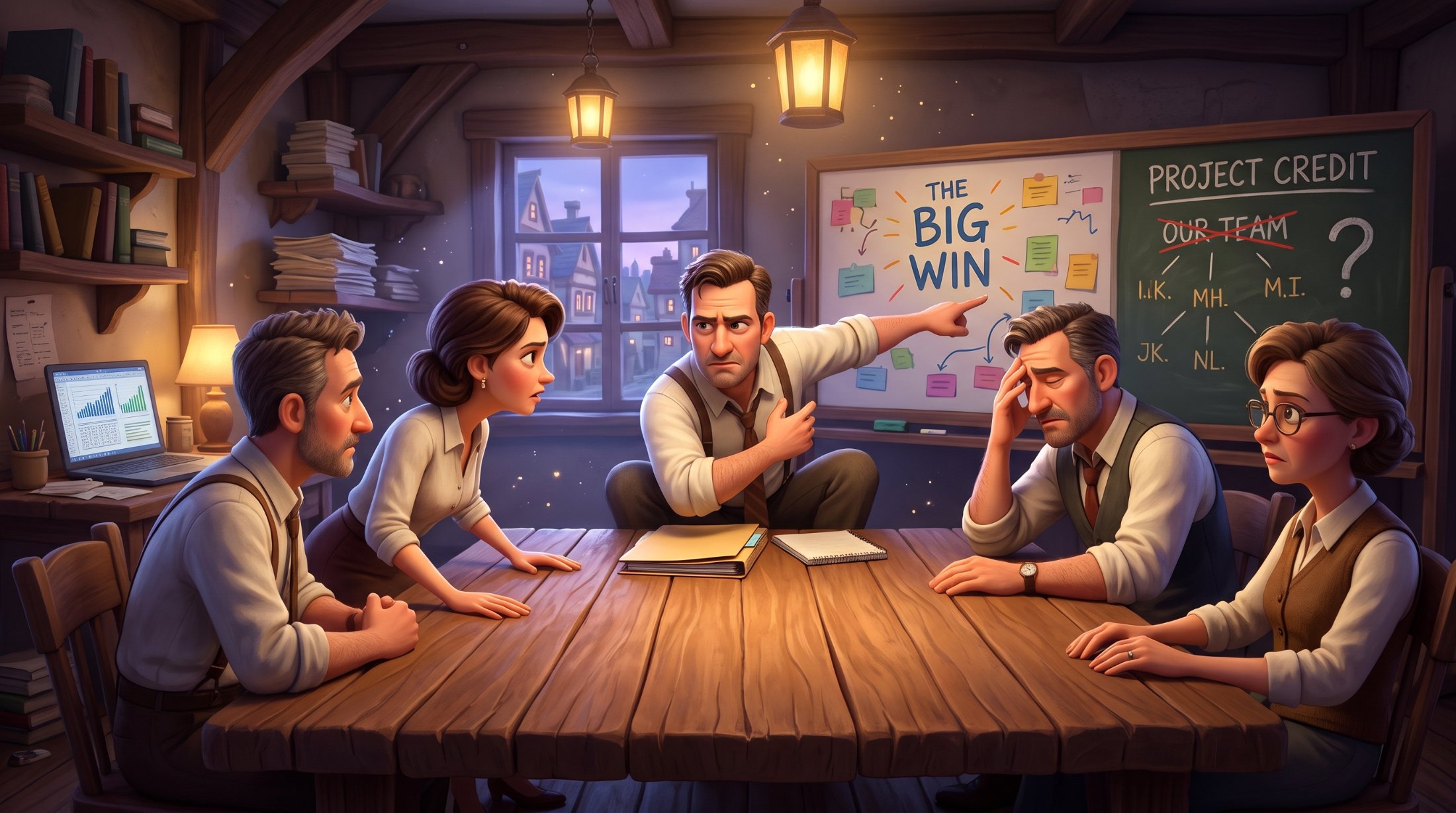
Seven concrete scarcity mindset examples at work — hoarding credit, over-negotiating, panic at change — what each one protects and what it costs you.
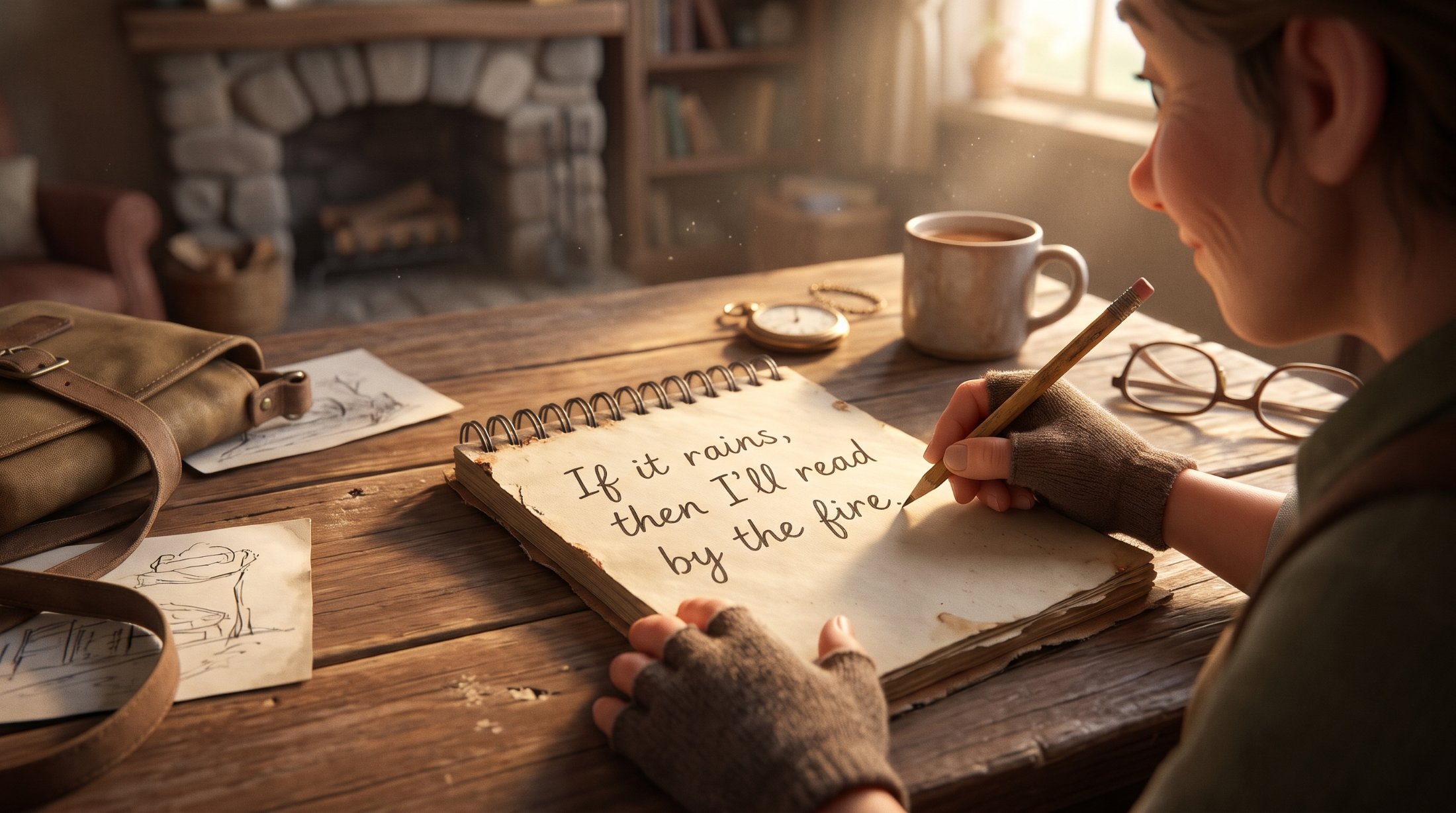
If-then planning examples for people who hate rigid routines — real trigger-and-response plans for work, relationships, health, and overthinking.
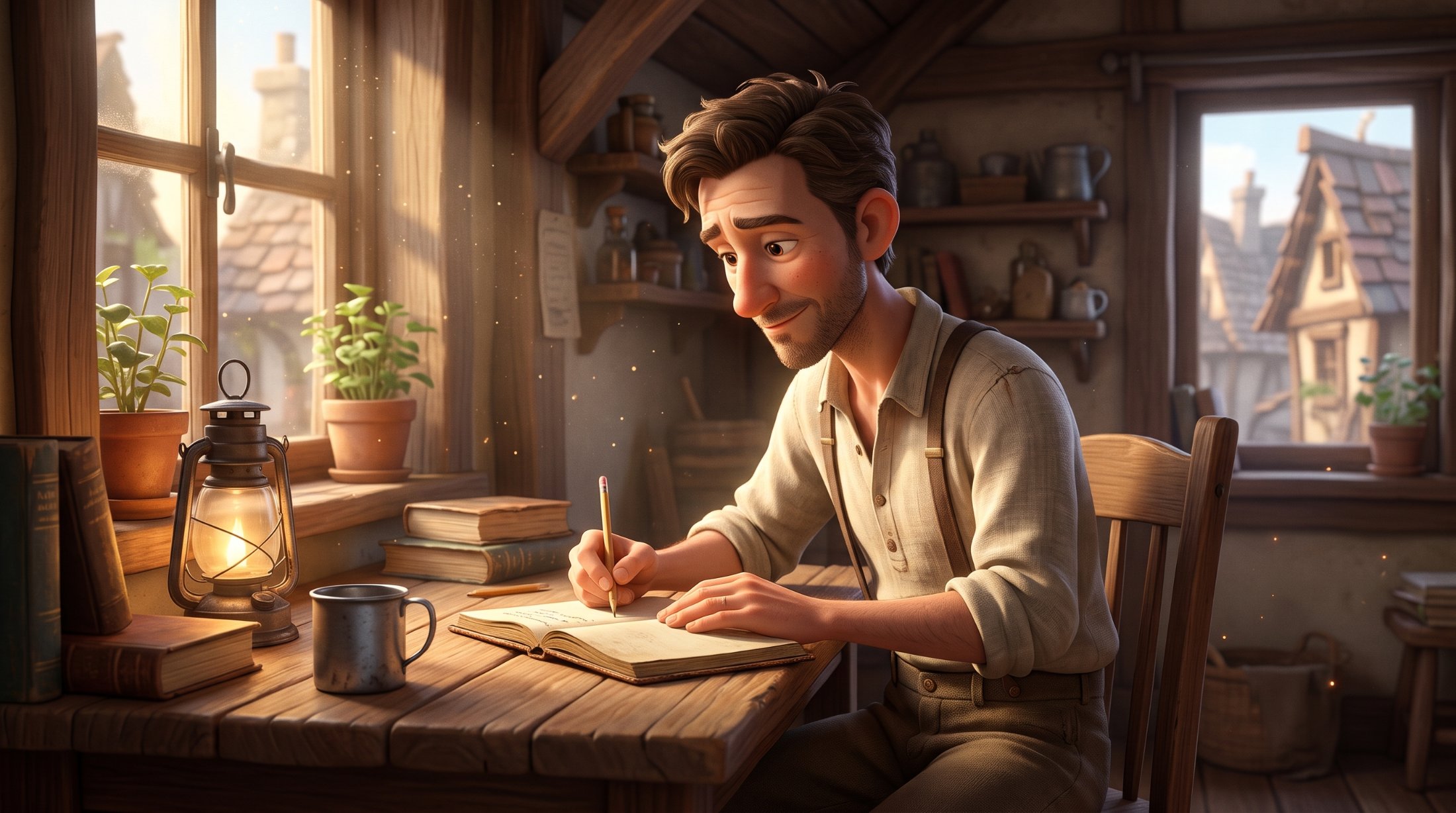
How to start working on yourself when you don't know where to begin — one real 10-minute first action, not a plan, a purchase, or a routine overhaul.