
High Achiever Burnout: Why You're Exhausted Even When You're Winning
Running on empty despite success? High achiever burnout isn't laziness—it's an identity problem. Learn why the old pattern stops working and how the 12.
The Tribe of Giants · July 23, 2026

You're burned out. Not tired—burned out. The kind of tired where sleep doesn't fix it, where a vacation just delays the crash, where you wake up already depleted.
So you do what makes sense: you rest more. You optimize your schedule. You cut back. You try to recover.
And nothing changes.
Then comes the thought: "Maybe I'm just lazy. Maybe I don't have what it takes. Maybe this is who I am."
That thought is the real problem. Not the burnout itself, but the identity you're building on top of it.
Burnout isn't insufficient recovery. It's a mismatch between who you're trying to be and who you actually are.
Consider someone who identifies as a "high performer"—someone who solves problems, delivers results, never lets people down. They push. They optimize. They say yes to more because more proves their value.
Then one day, they hit a wall. They're exhausted. So they rest.
But the moment they return, they return to the same identity. The same belief that their worth is tied to output. The same operating system that burned them out in the first place.
Rest doesn't rewire that. Time off doesn't change it. A new role won't fix it either, because the person brings the same identity into the new space.
Burnout isn't a recovery problem. It's an identity problem.
You don't have a discipline problem. You have an identity problem. The same principle applies here, but inverted.
When you're burned out, you're running an identity that demands constant proof. Constant performance. Constant visibility. An identity that equates rest with weakness, boundaries with failure, saying no with letting people down.
That identity isn't lazy. It's the opposite—it's relentless. And relentlessness, when it's the only gear you have, becomes burnout.
The person who crashes and then tells themselves "I need to be lazier" is still running the same operating system. They're just adding shame on top of exhaustion. That's not recovery. That's a deeper trap.
The shift isn't from "high performer" to "lazy person." It's from "my value is what I produce" to "my value is who I am."
When that identity changes—when you stop needing to prove yourself through constant output and start building from a foundation of inherent worth—the behavior changes naturally. You don't rest because you have to recover. You rest because rest is part of how a grounded person moves through the world. You say no to protect what matters, not because you're weak. You delegate because you're smart enough to know what you can't do alone, not because you're failing.
That's not laziness. That's alignment.
And aligned people don't burn out. They get tired, sure. But tired and grounded is different from tired and fractured.
Most people in burnout know intellectually what the problem is. "I work too hard. I don't have boundaries. I tie my worth to my output."
Knowing that doesn't change it.
Identity lives deeper than insight. It's in your nervous system, in the choices you make when you're stressed, in the automatic reach for "more" instead of "enough." You can understand the pattern and still live it every day.
The shift requires more than awareness. It requires a framework that helps you actually rewire how you see yourself—not just how you think about yourself, but how you feel yourself to be.
If you're burned out and you're starting to believe the burnout means something about who you are—that you're lazy, weak, can't hack it—that's the moment to pause.
The burnout isn't feedback about your capacity. It's feedback about the identity you've been running. And identity can shift.
The entry point is simple: one honest question: "Who would I have to become to feel genuinely sustainable in my own life?"
Not "how do I rest better." Not "how do I optimize harder." Who would I have to become?
If you're ready to explore that question with structure and support, the Tribe offers a free entry point. Join the Tribe free, no credit card required, and you get access to the community and your first journey—Non-Consciousness—which is designed to uncover the operating system you've been running without even realizing it. From there, you can see what's actually yours and what you inherited.
Your burnout doesn't mean you're weak. It means you're strong enough to notice that the identity you've been living isn't working anymore. That's the beginning of real change.
Burnout isn't a rest problem or a laziness problem—it's a mismatch between your current identity and your actual capacity. Shifting the identity underneath changes what feels possible, not just what you do.
Running on empty despite success? High achiever burnout isn't laziness—it's an identity problem. Learn why the old pattern stops working and how the 12.

Feeling lost at 40 isn't a productivity problem—it's an identity problem. Here's why the pattern breaks when you rebuild who you actually are.

The clearest sign you need coaching: you understand the problem, you know what to do, and you still don't do it.

Empowerment isn't something you wait to feel. It's a decision you make, over and over, in small moments—when you stop asking for permission and start…
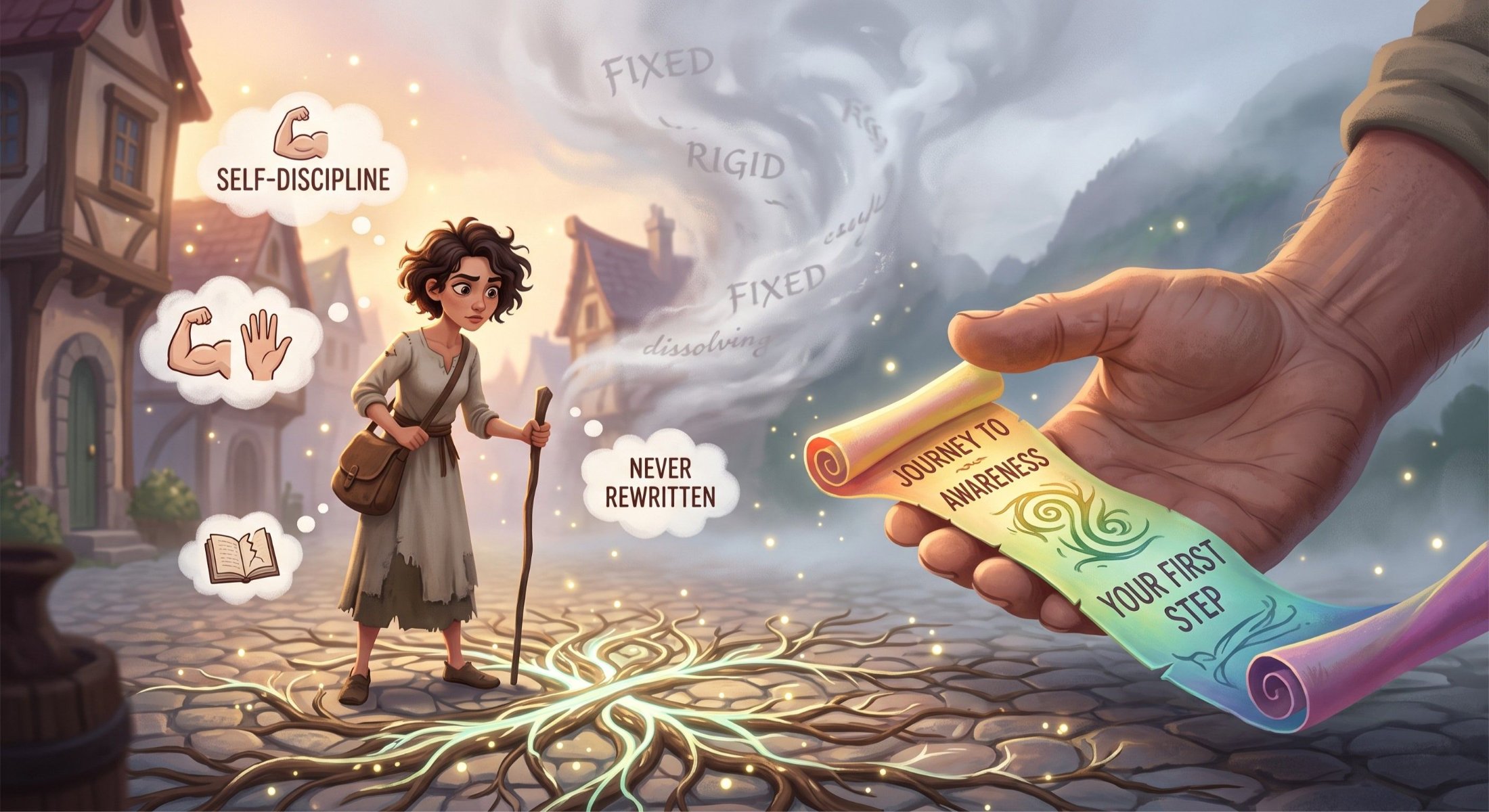
If you're here in the free Tribe, you've already taken the hardest step: you showed up.