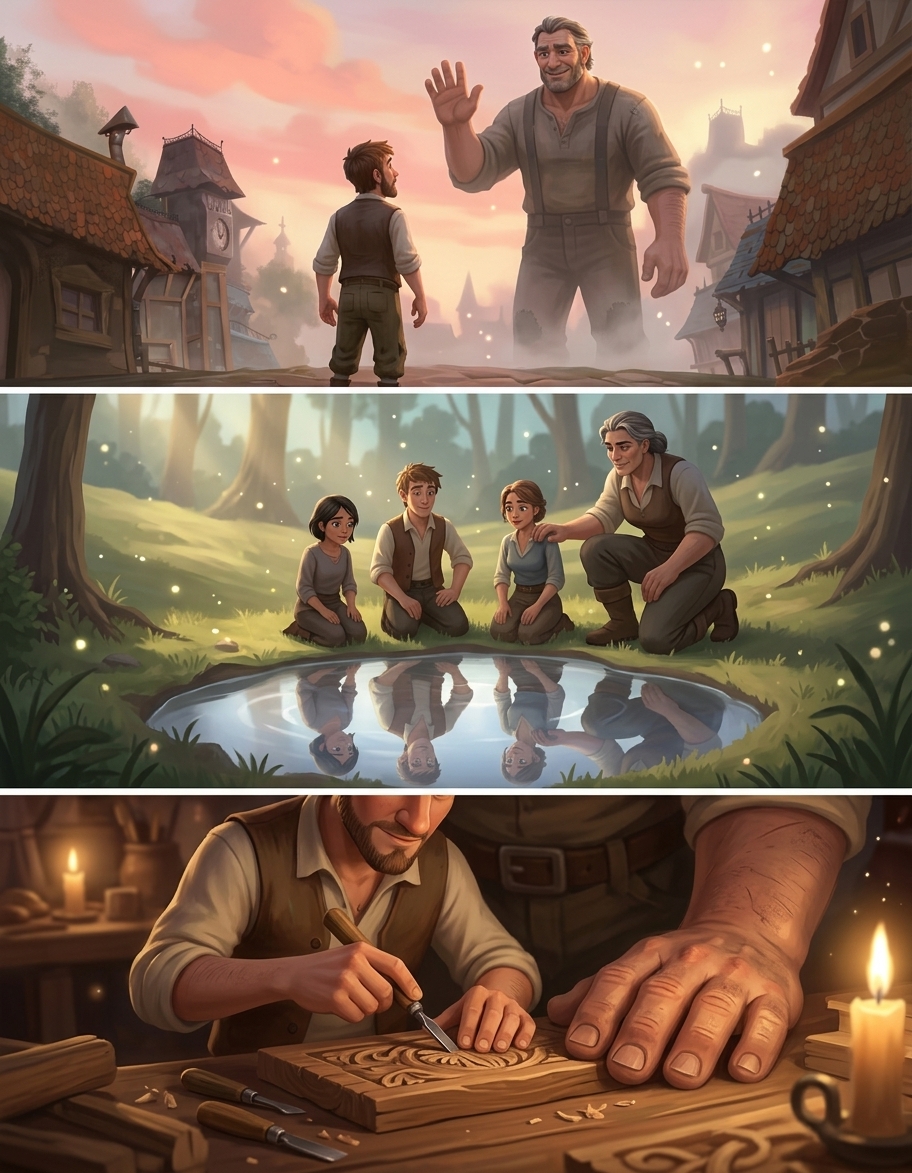
Feeling Stuck in Life? Why the Itch to Change Is Actually a Good Sign
That nagging sense that something's missing—the one you've been pushing down or trying to logic away—isn't a problem to solve. It's a signal.
The Tribe of Giants · September 16, 2026

You're not stuck because you lack discipline.
You're stuck because the identity that built your first forty years is too small for what comes next.
By 40, you've proven yourself a hundred times over. You've hit the numbers. You've shown up. You've kept your promises—to everyone but yourself. And somewhere in there, without quite noticing, you stopped asking what you actually want and started asking what you're supposed to want.
Now the old formula isn't working. Effort doesn't move the needle anymore. You're exhausted in a way that sleep doesn't fix. And the quiet voice at 2 a.m. keeps asking: Is this it?
That voice isn't a problem to fix. It's a doorway opening.
Turning 40 doesn't break the pattern. It reveals it.
For twenty years, you've been running on someone else's definition of success—a version of yourself built to survive, to prove, to fit in. Your twenties and thirties were about doing: get the job, make the money, build the life. Discipline was your superpower. Hustle was the answer.
But somewhere between 35 and 45, something shifts. The same discipline that built your life starts building a life that doesn't fit you anymore. You're successful at the wrong thing. The achievement feels hollow. The title looks good on paper and feels small in your chest.
That's not laziness. That's not a motivation problem. That's your deeper self waking up and asking a question your old identity can't answer: Why?
At 40, you've lived long enough to see the pattern. You've exhausted the tools that used to work. You're tired enough—finally—to try something different.
You already know what to do.
You could write a manual on discipline. You've read the books. You understand why you're stuck. You could explain your pattern to a stranger and sound like you actually know yourself.
And nothing has changed.
That's the clue: insight is cheap. Behavior is not.
A new habit built on the same identity will collapse. A goal pursued by the same version of you that set every previous goal will deliver the same result, just with more exhaustion. You can't outthink your way out of a pattern you've been living inside since you were seven years old—a pattern built by voices that aren't even yours, rules you inherited without questioning, a version of you that was necessary once and now keeps you small.
You don't have a discipline problem. You have an identity problem.
And identity doesn't shift through understanding. It shifts through action—small, real actions that contradict the old story.
When you claim a small decision that the old you would never make—a boundary you've been afraid to set, a truth you've been afraid to speak, a choice that feels impossible—something reorganizes inside you. Not your thinking. Your self.
That's not metaphor. That's how identity rewires.
The path through your 40s isn't more of what got you here. It's letting go of the plan and watching what actually moves. It's moving from understanding the pattern to interrupting it—daily, in real moments, with real choices.
The RIPPLE Method—small, repeated acts that rewire who you are—works because it meets you where you actually live. One honest check-in. One small choice. One moment where you claim what's true instead of what you're supposed to say.
Repeated enough, that becomes who you are.
You don't become someone new by thinking about becoming someone new. You become someone new by acting like someone new, one choice at a time, until the old identity can't recognize itself in you anymore.
Every Giant was born a Small.
The difference isn't talent or luck or discipline. It's identity. It's the moment you stop running someone else's race and start building something that's actually yours.
Your 40s aren't a crisis. They're a reckoning. The gap between who you are and who you're pretending to be has become too wide to ignore. The ache is real. The question Is this it? won't go away.
That's not a sign you're broken. That's a sign you're ready.
Ready to notice which voices in your head are actually yours. Ready to take the next real step instead of staying in the same loop. Ready to become the version of yourself that can actually live the life you've been building.
The second half of your life doesn't belong to the person you've been. It belongs to the person you're becoming—if you're willing to do the work.
It's slow work. It's not glamorous. But it moves something in you that no amount of motivation or goal-setting can touch.
An identity problem means you're operating from a version of yourself—a set of beliefs about who you are, what you're capable of, what you're allowed to want—that was built long ago and doesn't fit anymore. It's not a lack of willpower. It's that every time you try to change, you're using the same identity to solve the problem, which produces the same results.
By your 40s, the gap between who you're pretending to be and who you actually are becomes impossible to ignore. You've achieved things. The paycheck comes. But the achievement doesn't feel like yours. The ache is finally loud enough that you can't work around it anymore.
Trying harder with the same identity produces the same results, just with more exhaustion. Identity work means making small, real choices that contradict the old story—and repeating them until who you are actually shifts. It's not about understanding your pattern better. It's about becoming someone the pattern doesn't fit anymore.
Yes. By midlife, you have enough evidence that the old way isn't working and enough self-awareness to see the pattern. You're tired enough to try something different. That combination—clarity, exhaustion, and readiness—is exactly what makes change possible. The work is real, but the ground is fertile.
Many people have done good inner work and still find themselves running the same pattern. That's because understanding and acting are different things. Identity work is the missing piece: it's the framework that helps you do differently, not just understand differently. You can do both.
That nagging sense that something's missing—the one you've been pushing down or trying to logic away—isn't a problem to solve. It's a signal.

Feeling lost in your 40s is an identity shift, not a crisis. Discover why your midlife awakening signals growth, not failure.
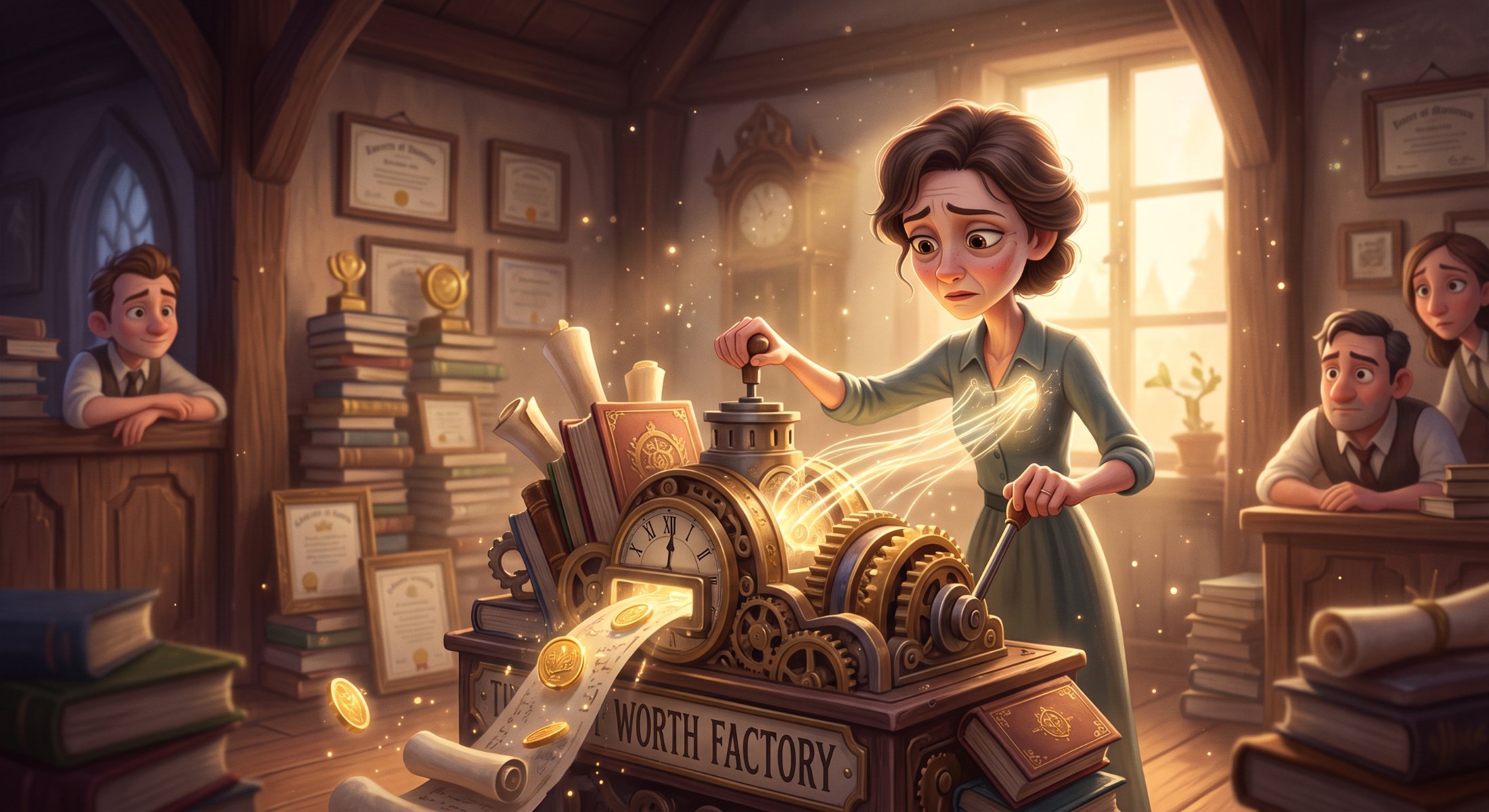
Running on empty despite success? High achiever burnout isn't laziness—it's an identity problem. Learn why the old pattern stops working and how the 12.

You know the feeling: you've had the insight, named the pattern, maybe even cried about it in therapy.
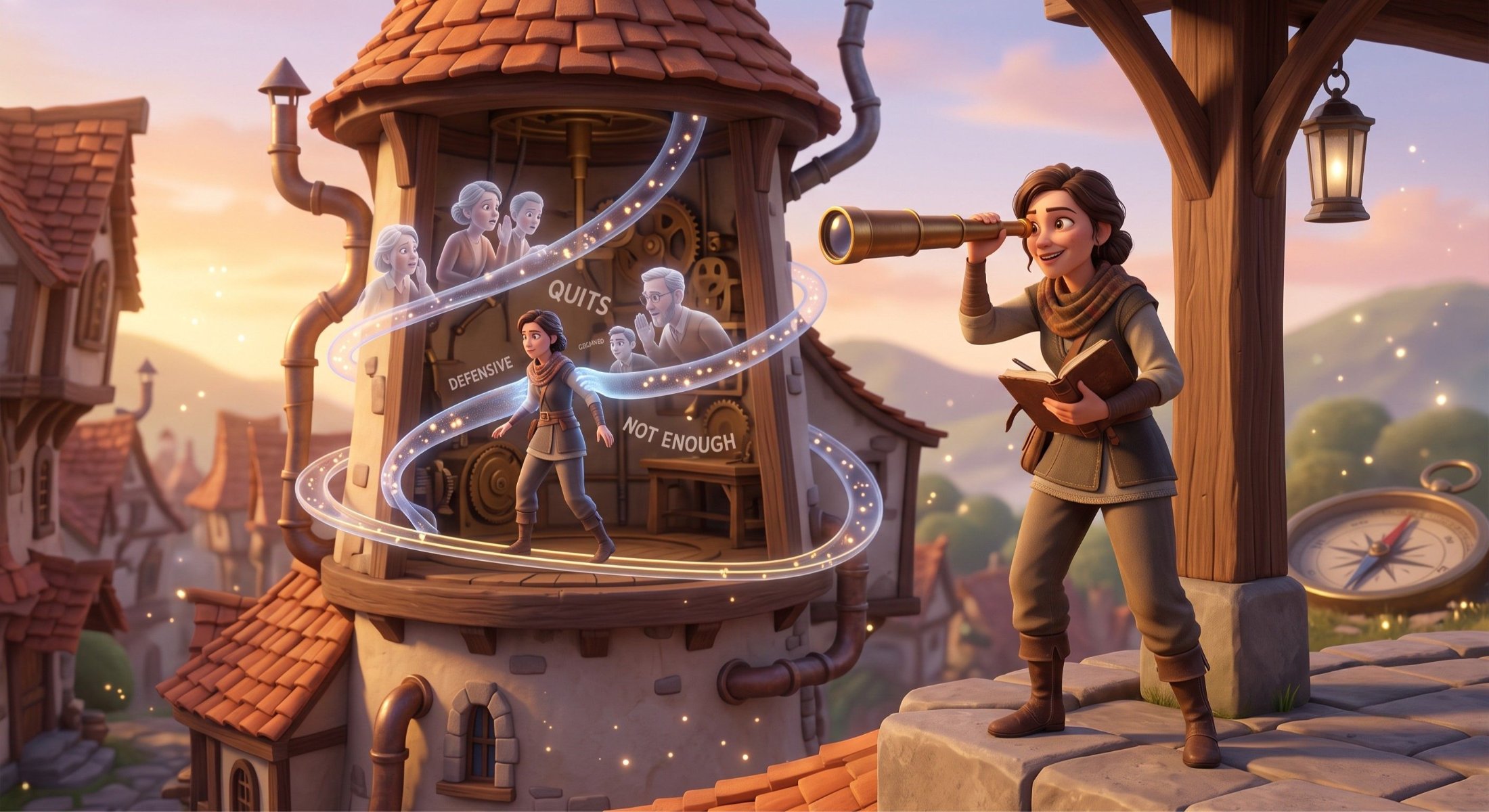
You've tried harder. You've made resolutions, set goals, downloaded the productivity app.