
How to Change Your Life at 40: It's Not About Discipline—It's About Identity
Feeling lost at 40 isn't a productivity problem—it's an identity problem. Here's why the pattern breaks when you rebuild who you actually are.
The Tribe of Giants · September 17, 2026

You were supposed to have it all figured out by now.
That's what they said. Build the career. Raise the family. Hit the milestones. By 40, you'd be solid—knowing who you were, where you were going, what mattered.
Instead, you're here. Looking fine from the outside. Good job, good home, good life by any measure. But inside, something shifted. The things that used to feel like you—the way you work, the way you lead, the way you show up—don't quite fit anymore. Not because they're wrong. Just because they're no longer yours.
You're not broken. You're not lazy. You're not ungrateful. You're experiencing what happens when the identity you built stops matching who you're becoming.
Identity isn't something you nail down once and own for life. It's something you build in the first half of your life and then, somewhere around 40, start to examine.
You've built your identity around roles—mother, daughter, partner, professional, caregiver. These roles give structure to your life, but they also make it easy to forget who you are outside of them.
Over decades, identity becomes shaped by structure: careers, family roles, responsibilities, expectations. It becomes stable, something rarely questioned. You weren't examining whether those roles actually fit. You were too busy excelling at them.
Then one day—not suddenly, but slowly—you notice something. The ambitions that drove you don't land the same way. The schedule that used to feel full now feels hollow. What once motivated you doesn't anymore. The goals that once made you proud now feel like someone else's.
This isn't a crisis. A midlife identity shift is exactly that: gradual, layered, and often invisible from the outside.
The values you built your early adult life around were often adopted from your family of origin, your culture, your peer group, or whoever you were trying to impress. At midlife, there's often a reckoning with whether those values are actually yours. This can feel destabilizing if your whole life structure was built on values that turn out to be more borrowed than owned.
You start asking questions you thought you'd already answered:
A quiet question emerges: "Who am I without the work, the title, the role, the routine?"
This is not a personal failing. This is a signal. And the culture doesn't prepare you for it because midlife is often framed as a period of decline rather than opportunity.
When your old identity no longer fits, but your new one hasn't appeared yet, psychologists call this a liminal space. It can feel like you're caught between two worlds—not who you were, but not yet who you're becoming.
That in-between place? It's a time when growth is possible. Like adolescence, midlife is a time of change. The confusion isn't a flaw; it's the ground where transformation can happen.
So the question isn't "what's wrong with me?" The question is: "What am I ready to discover about myself?"
You've spent two decades proving you could do it. Execute. Deliver. Be the reliable one. And you're good at it. You know exactly why you're stuck—you could explain it to a stranger in five minutes. You've read the books. You've made plans. You've even changed... temporarily.
But insight doesn't shift behavior. Identity does.
The midlife turn isn't asking you to hustle harder or understand yourself deeper. It's asking you to do something harder: to let the old version of your identity loosen its grip, and to step into who you're becoming.
Many people find that identity changes follow behavioral changes, not the other way around. You don't figure out who you are and then change your life. You try new things, and then you figure out who you're becoming.
That's the move that changes your 40s from a loss into a reckoning.
You don't need another framework or another insight. You need permission to question everything and a way to act on what you discover.
The 12 Journeys starts with exactly that: seeing the pattern you can't see alone. Not understanding it intellectually. Actually seeing it—the voices in your head that aren't yours, the rules you inherited, the narrow way you've defined yourself.
Then, one real choice at a time, you claim what was always available: the version of you that wasn't built for performance. The one that was built to become.
Every Giant was born a Small. Your 40s are the invitation to stop pretending you've already arrived.
Yes. Identity shifts during major life transitions are gradual, layered, and often invisible from the outside. You're not alone in noticing that something has shifted—millions of people experience this in midlife.
Midlife crisis and identity crisis are different labels for the same fundamental experience: not knowing who you are when the things that defined you fall away. The crisis isn't about your age. It's about your identity.
Yes. If you've been "the provider" or "the responsible one" or "the achiever" for decades, that role can feel like a cage even when it's also genuinely part of who you are. The fatigue isn't ingratitude. It's the self recognizing that it's been defined too narrowly.
Start by giving yourself permission to question them. Let Go of What You're Gripping Too Tightly and spend time in curiosity—what matters to you now? Not what should matter. What actually does.
Feeling lost at 40 isn't a productivity problem—it's an identity problem. Here's why the pattern breaks when you rebuild who you actually are.
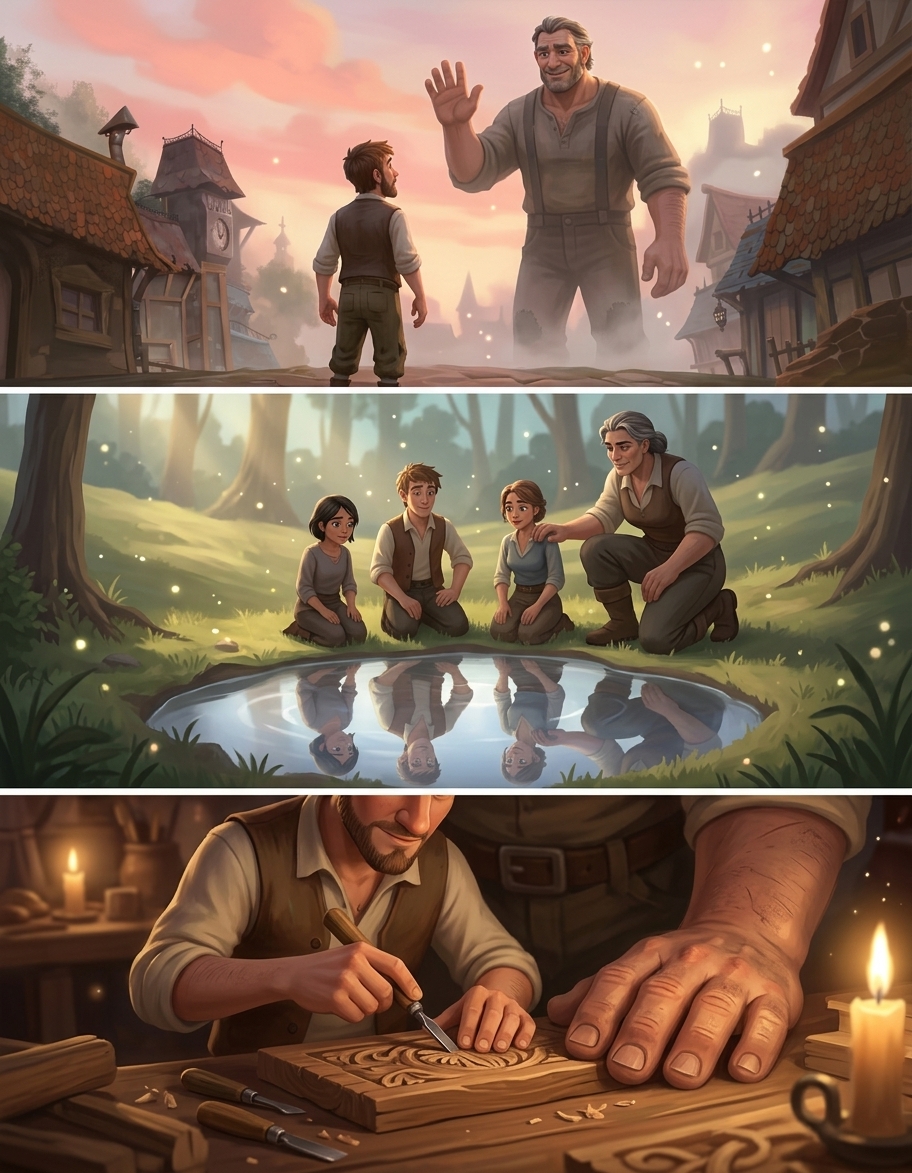
That nagging sense that something's missing—the one you've been pushing down or trying to logic away—isn't a problem to solve. It's a signal.

There's a feeling that arrives without warning. It's not full-blown crisis. It's quieter than that — a kind of low-grade static under your normal day.

You've tried harder. You've made resolutions, set goals, downloaded the productivity app.

Hit an income ceiling despite hard work? The problem isn't tactics—it's identity. Discover why high achievers self-sabotage success.