TL;DR: Scarcity mindset lives in your nervous system, not your thoughts. When you create—badly, messily, imperfectly—you shift from a defensive state to a generative one. That state change is where the rewiring begins, and it's how sustainable resourcefulness replaces chronic tightness.
The Scarcity Loop Isn't a Thought Problem—It's a Nervous System State
Scarcity mindset feels like a belief you need to think your way out of. Not enough time. Not enough money. Not enough of you to go around. So you tighten. You protect. You ration.
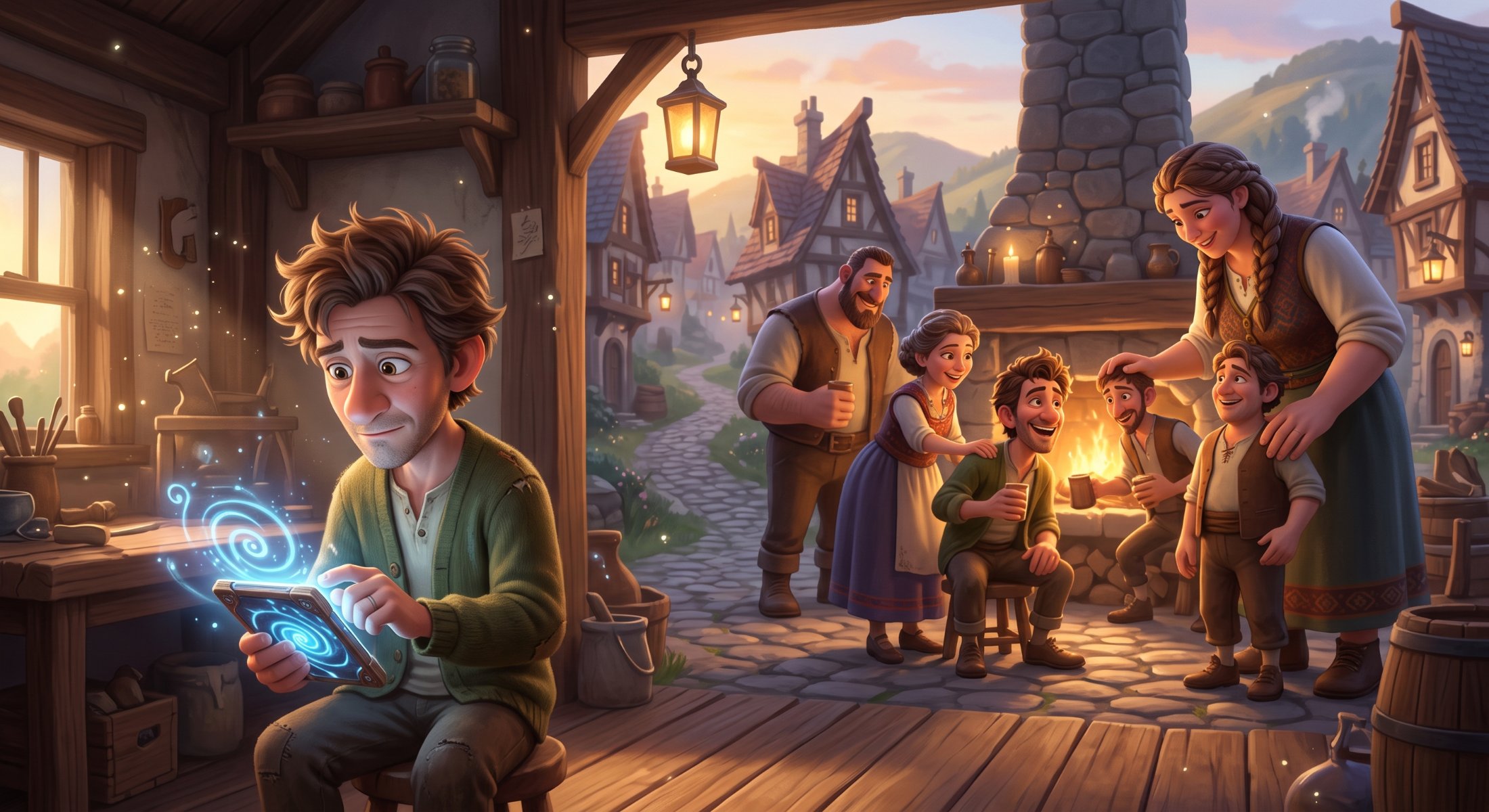
But the scarcity loop isn't running in your conscious mind—it's running in your nervous system. When you're in scarcity, you're in a sympathetic state: threat-detection, resource-hoarding, survival-logic. Your body reflects it. Your attention narrows. You move into preservation mode.
You cannot think your way out of a nervous system state. You have to shift the state itself.
Why Art-Making Changes What Affirmations Can't
When you sit down to draw, write, build, or create anything, you're not solving the scarcity problem intellectually. You're occupying your hands and attention in the present moment, which means the default-mode network—the part of your brain that runs automated thoughts and old programming—shifts its function.
In that shift, your nervous system moves from defensive (bracing, protecting, running the scarcity script) to generative (building, making, creating). These states are neurologically incompatible. You cannot be in full defensive reactivity and simultaneously be present enough to create something.
When you choose the creative act, you choose the generative state. And every time you choose it—even when the output is rough, incomplete, or nobody ever sees it—you're weakening the neural pathway that says "there isn't enough" and building a new one that says "I can make something from what I have."
Creative expression as a nervous system reset isn't metaphorical. When you're immersed in sensory flow—when your hands are moving and your attention is there—your nervous system downregulates from sympathetic (threat) into parasympathetic (rest, digest, create). Your body shifts into a chemistry of possibility, not scarcity. In that state, a different self-narrative becomes possible.
Observation Alone Isn't Enough
There are two ways to interrupt the scarcity loop.
The first is to observe the pattern—to notice you're stuck in the "there isn't enough" loop and catch yourself running the thought. That's awareness work. Journey 2 (Lemeki—Awareness) teaches you to see what's running in the background. And it matters.
But observation alone doesn't rewire your nervous system. You can notice the pattern and still feel tight.
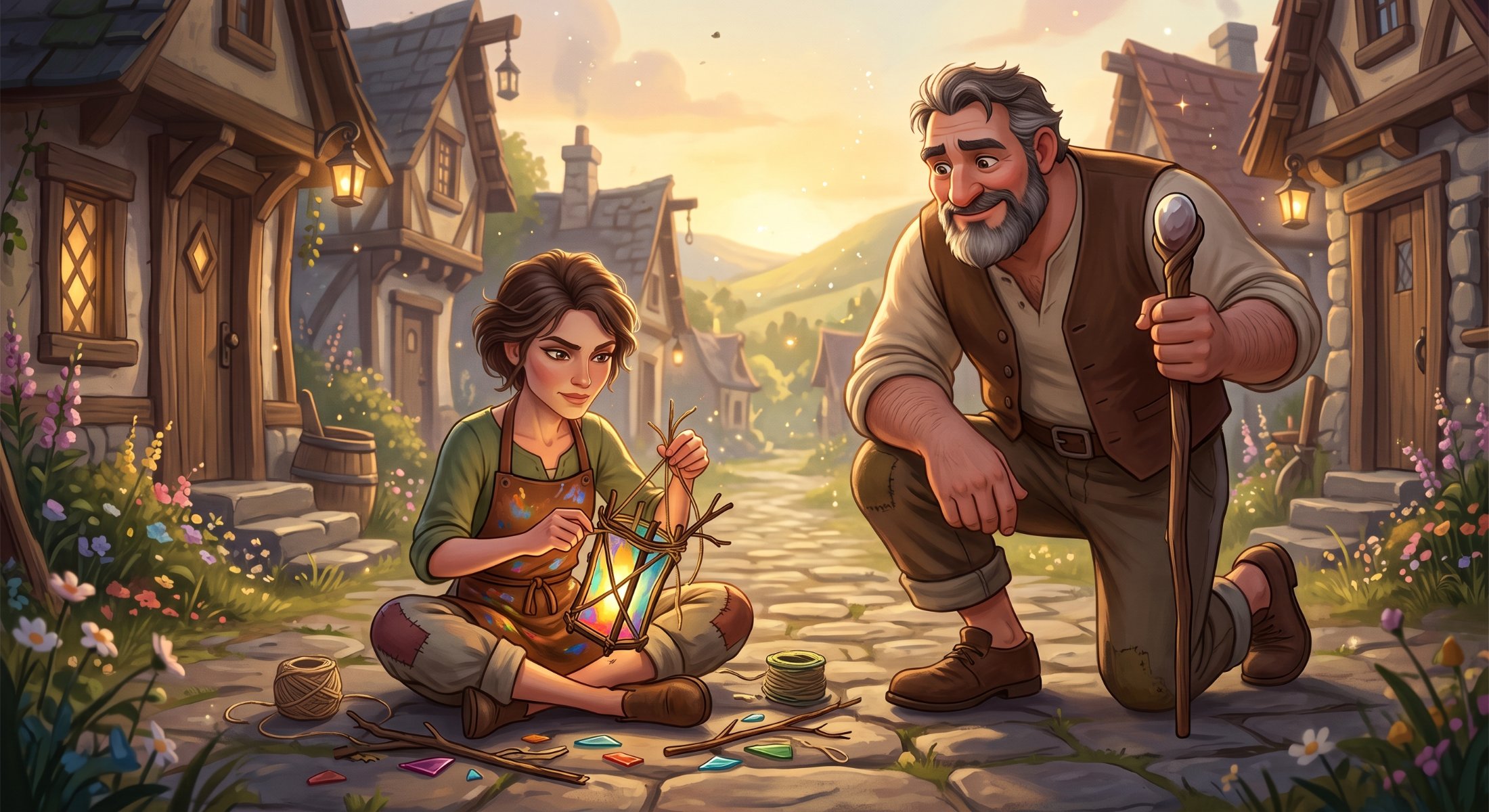
The second is to do something different in a state of calm—to occupy a generative state while the old script would typically have you in defense. That's where the rewiring actually lands. This is Journey 8 territory: Creation and Resourcefulness (Abri). When you sit down and make something—badly, messily, imperfectly—you're proving to your nervous system that you're not the person the old script said you were.
You're the person who can be in constraint and still build. The person who has something to offer even when resources feel tight.
How Sustainable Resourcefulness Builds Over Time
The goal isn't to make the scarcity feeling disappear. It's to change your relationship to it—to move from being hijacked by it to observing it and choosing something else.
When you're in scarcity, you're reactive: you see a limit and you contract. Every time you choose creation instead—every sketch, every rough paragraph, every small act of making—you're building evidence that you're not contracted. You're building something. That evidence accumulates.
Consistency matters more than intensity. A rough sketch or a fragment of writing that nobody sees is exactly as valuable as a polished piece. What your nervous system learns isn't about the quality of the output. It's about the state you occupied while making it. Repetition over time—regular practice that becomes a rhythm—is where the neural pathways strengthen.
After weeks of this, something shifts. You're still aware that resources are limited. That's just real. But you're no longer believing that limits you. You're believing that you can work with what you have. That shift—from scarcity thinking to resourcefulness—is the actual rewiring.
Where Observation Meets Creation in the 12 Journeys Framework
When you work with a coach or move into the All-Access community, observation deepens. You notice where the scarcity pattern runs. For All-Access members, Rimi's daily check-ins help you see where it's operating. But the rewiring—the actual shift in how your nervous system relates to limitation—happens when you choose to do something with what you have.
That's the practice half of the work. The 12 Journeys framework teaches you to observe the patterns that run in the background. Creative expression is the embodied half—where observation becomes transformation through doing. You notice the pattern (that's awareness, Journey 2). Then you create (that's Journey 8: resourcefulness in action). Together, they rewrite your operating system.
The Practice: Start Small and Stay Consistent
You don't need permission to be creative, and you don't need the output to be good. You need practice.
Pick something: drawing, writing, building with your hands, arranging something in your space. Set a small rhythm—20 minutes, three times a week, or whatever you'll actually do. Show up in a calm state (not fighting, not rushing). Make something imperfectly.
What matters is that you occupy the generative state repeatedly. Your nervous system learns: this is possible now. This version of you exists—the one who can make something even when resources feel tight.
That's when scarcity stops being your default and becomes just information you're aware of—information you respond to with resourcefulness instead of contraction.
Questions You Might Have
Q: Does it matter what I create?
No. A rough sketch or a fragment of writing that nobody sees is exactly as valuable as a polished piece. What matters is the nervous system state you're in when you're making it.
Q: How often should I practice?
Identity rewiring happens through consistency, not intensity. What matters is repetition over time—regular practice that becomes a rhythm, not a heroic effort.
Q: What if I don't consider myself creative?
That belief is itself part of the old script. The moment you sit down and make something—anything—you've contradicted it. You don't need permission to be creative. You need practice.
Q: How does this connect to the 12 Journeys?
The 12 Journeys teaches you to observe the patterns running in the background (Journey 2, Awareness; Journey 1, Non-Consciousness). Creative practice is the embodied half of that work. You notice the pattern, then you create. Observation without doing is insight that doesn't land. Doing without awareness is just activity. Together—in the framework and in your practice—they rewrite your operating system from the inside out.
What's Next
Start with one small creative practice this week. Notice what your nervous system does. Notice whether you feel more contracted or more generative when you're in it. That noticing is Journey 8 beginning.
👉 Start your first journey free