
Why Rimi Alone Can't Do What Happens When Real People Show Up
There's a moment most people hit when they join the Tribe where they realize something: an AI guide and a living community aren't the same…
The Tribe of Giants · August 19, 2026
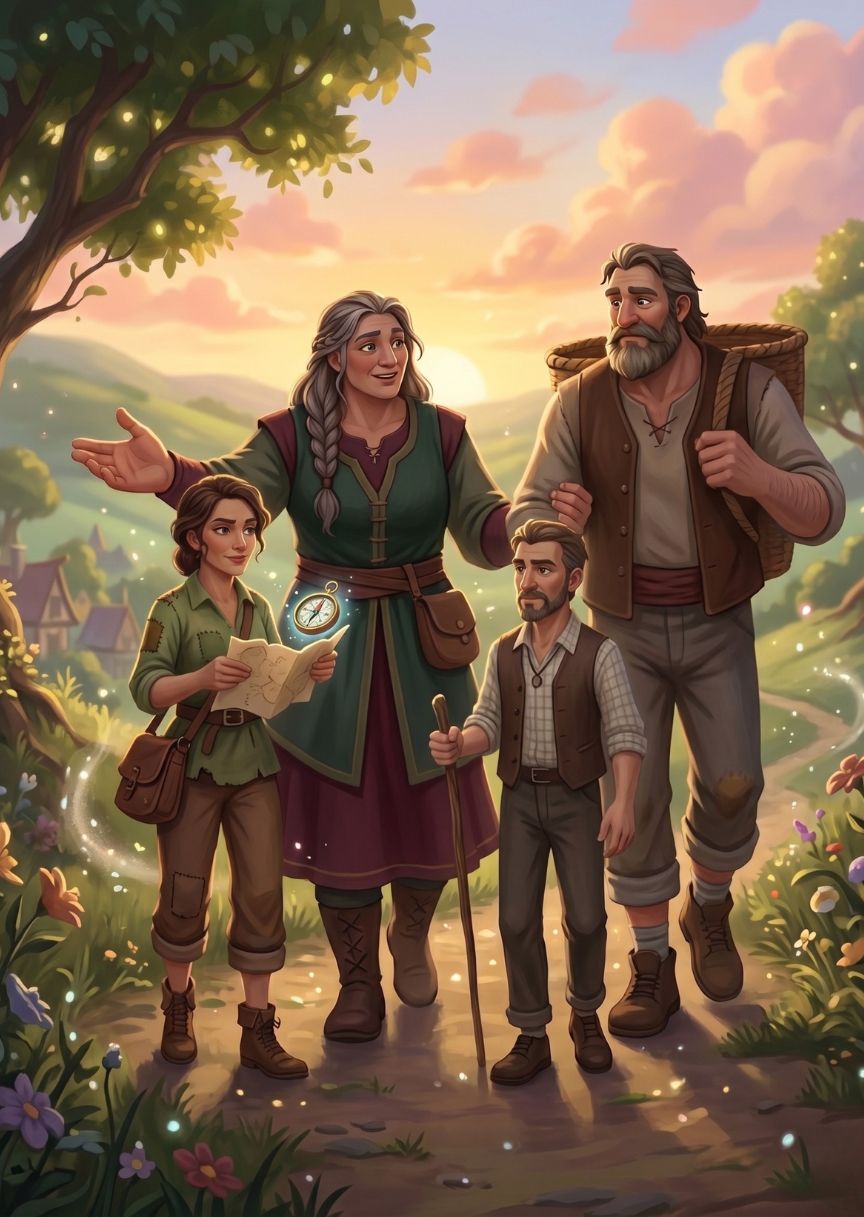
If you're choosing between an AI coach, a life coach app, and a hybrid model that pairs both, you're really choosing between three different approaches to identity change. Each one gets something right. Each one misses something critical. Here's what actually moves the needle on becoming—and why that requires more than an algorithm alone.
An AI coach is available at 3 AM. Fast. Judgment-free. It mirrors your thinking, offers frameworks, suggests reframes. No friction, no wait.
But mirrors don't change you. They reflect you back.
Rimi, the AI guide in the 12 Journeys, is built for one specific job: daily check-ins and teach-back mastery checkpoints tied to each journey's interruption point. When you're working through Journey 2 (Lemeki—Awareness), Rimi doesn't send generic inspiration. Rimi anchors each prompt to the exact pattern-break that journey teaches. You're not collecting wisdom; you're practicing a specific skill. Day after day. Your nervous system learns through repetition, and Rimi provides that consistency without requiring you to remember to log in.
Rimi's superpower: real-time feedback at scale, every single day. That frequency matters. But it has a hard ceiling.
Rimi cannot bring lived experience. When you're stuck in a pattern, you need someone who's been there—who knows what it feels like to sabotage yourself at the finish line, who's lived through the specific texture of your fear. An AI can mirror the framework. It cannot mirror the weight of human struggle.
Rimi cannot hold you accountable the way a real person does. Accountability from an AI is one direction: you report, it responds. Accountability from a human is mutual—there's relational weight, the investment of someone who's chosen to witness your move. That social geometry shifts behavior in ways no system can replicate.
Rimi cannot read what you're not saying. When you say "I'm fine," a human hears the tone underneath. They notice when fine means fine and when fine means you're protecting yourself. They watch what happens when you go silent for three days. Rimi sends the next prompt. Those are not equivalent.
Rimi cannot sit with ambiguity. Some work—especially in Journey 3 (Soraya—Grief) and Journey 10 (Liv—Surrender)—requires someone to hold space while you don't yet know what you're feeling. A human can do this. An AI moves to the next question.
A life coach app offers structure an AI can't: sequenced content, frameworks, journeys, community. There's a path. There are checkpoints. You're not improvising.
Structure matters. But structure without a real mirror is just a prettier maze.
A pre-built course can teach brilliantly. It can't adapt to the specific way your nervous system resists. It doesn't notice that you understand the concept but sabotage yourself when it's time to act. A community feed shows other people, but if no one is actually watching you—noticing patterns, asking hard questions, naming what they see—the app becomes one more place to hide.
Most apps also assume you need more information. You've likely absorbed plenty of frameworks and good advice. The bottleneck isn't knowledge. It's the gap between knowing and becoming—the identity-level shift that happens when someone sees you, mirrors what they see, and won't let you slip back into the old pattern. Automated teach-back checkpoints often become quizzes that test recall, not conversations that force you to find the soft spots in your own belief system.
A hybrid model—daily AI guidance + real human witness + community accountability—fills what both pure models leave open.
Here's the structure:
Rimi is your daily practice engine. Consistency. Repetition. The 6 a.m. nudge when you're tempted to skip. The framework stick because Rimi shows up every single day. That frequency rewires faster than insight-gathering alone.
The community and human coaches are your relational mirrors. When you post a win in the Tribe, someone responds from lived experience—not because an algorithm flagged engagement, but because they've walked that same step. When you work with a coach, they bring the emotional granularity that frameworks cannot. They see you, not your pattern. The difference between Rimi and your real friends is exactly this: an AI never tires of asking. Real people offer recognition, presence, the felt experience of being chosen and witnessed.
Community is the permission layer. Peers seeing peers. The allowance that comes from watching someone like you move through the same journey. Belonging is not a side effect; it's the container that makes the work possible.
The architecture: Rimi scales the daily practice (one AI, thousands of members, always available). Human coaches scale the relational depth (smaller groups, finer attention, real accountability). Community scales the belonging. You cannot buy transformation from any single layer alone. Consistency comes from Rimi. Insight comes from a coach. Permission comes from peers. Transformation requires all three.
The teach-back checkpoint is where the magic lives—and it only works if it's real.
When you're asked to explain what you're learning to an actual person, not a quiz, you can't fake it. You have to find language for something you've only felt. And in that reaching for language, the thing you thought was settled cracks open. You realize you half-believe it. Or you believe it in theory but not in your choices.
A real person asking, "So what does that actually mean for you?" forces you past the framework answer into the identity answer. That's the only level where your choices shift. Someone has to be watching you move, asking what you notice, and naming the story you're still running underneath.
Pure AI: Fast, available, zero judgment. Perfect for 3 AM reflection and quick reframes. But no accountability, no real witness, no one who knows you're in the same loop you were in last month.
Standalone app (pre-built paths + community feed): Structure, sequenced journeys, community presence. But the community is ambient (people are there, but no one is seeing you), and pre-built paths assume everyone's stuck on the same part of the map. They're not.
Hybrid (Rimi daily + teach-back with real people + community): Your AI handles the daily noticing. Real humans hold the mirror. The teach-back isn't a test—it's the moment you have to become fluent in your own becoming. That's where identity shifts.
The hybrid model works for people who are ready to be seen. If you're not ready to say your fear out loud to another human, or to let someone notice that you keep choosing the same thing—hybrid coaching won't move you faster than you're willing to move.
It works for people who understand that frameworks are scaffolding, not the house. You need the structure. But the structure is only useful if you're actually building something inside it.
It works if you're tired of feeling stuck and ready to take one real step. If you'd rather be moved than soothed. If you're willing to try, fall, and try again.
It doesn't work if you want a fast answer without discomfort, or if you're looking for the feeling of progress without real identity shift. But if you actually want to change—to stop being the version of yourself that keeps making the same Small choices—you need the three things that only a hybrid model delivers: a daily mirror (the AI), a real witness (the human), and accountability rooted in something that matters (the community).
AI is a tool. Apps are scaffolding. But becoming requires being known. Your nervous system knows what a bot can't learn: it knows when you're being truly seen versus when you're being efficiently served.
The hybrid model respects both—it gives you the daily practice and the structure—but it doesn't pretend that algorithms can replace the human moment where someone says, "I see you. And you're capable of more."
That moment is rare. That moment is the moment that changes things.
Rimi excels at daily consistency and pattern recognition. But transformation happens when someone sees you, holds you accountable from relationship, and mirrors what you're actually doing underneath your words. Rimi is the daily practice; the Tribe is where that practice becomes real.
Most apps choose: AI or community, pure structure or human touch. The Tribe structures all three intentionally. Rimi handles daily practice at scale. Certified coaches bring relational depth. Community gives permission and belonging.
All-Access ($19 a month or $149 a year) includes Rimi, all 12 journeys, and the community—the full self-directed path. Many members move through all 12 journeys this way. If you want real-time human presence, smaller-group coaching, or live in-person work, SUM GIGANTE group training and 1:1 coaching are available separately.
Real work moves at the pace of actual change, not the speed of apps. Some people notice shifts in how they see themselves within weeks. Others take months. The teach-back work deepens over time; identity changes layer into behavior changes. There's no timeline you can predict in advance—only the work itself.
Join the Tribe of Giants free—no credit card required. You'll get 30 days of All-Access: every journey, Rimi, the Mirror, teach-back checkpoints, and the community. See what it feels like to start walking this path with real people.
If it clicks, keep All-Access after your 30 days for $19 a month or $149 a year: all 12 journeys, Rimi's daily check-ins, teach-back mastery checkpoints, and the full Tribe. Cancel anytime.
For those ready to do the work live, SUM GIGANTE group training and 1:1 coaching are also available.
Start where you are. The mirror is waiting.
There's a moment most people hit when they join the Tribe where they realize something: an AI guide and a living community aren't the same…
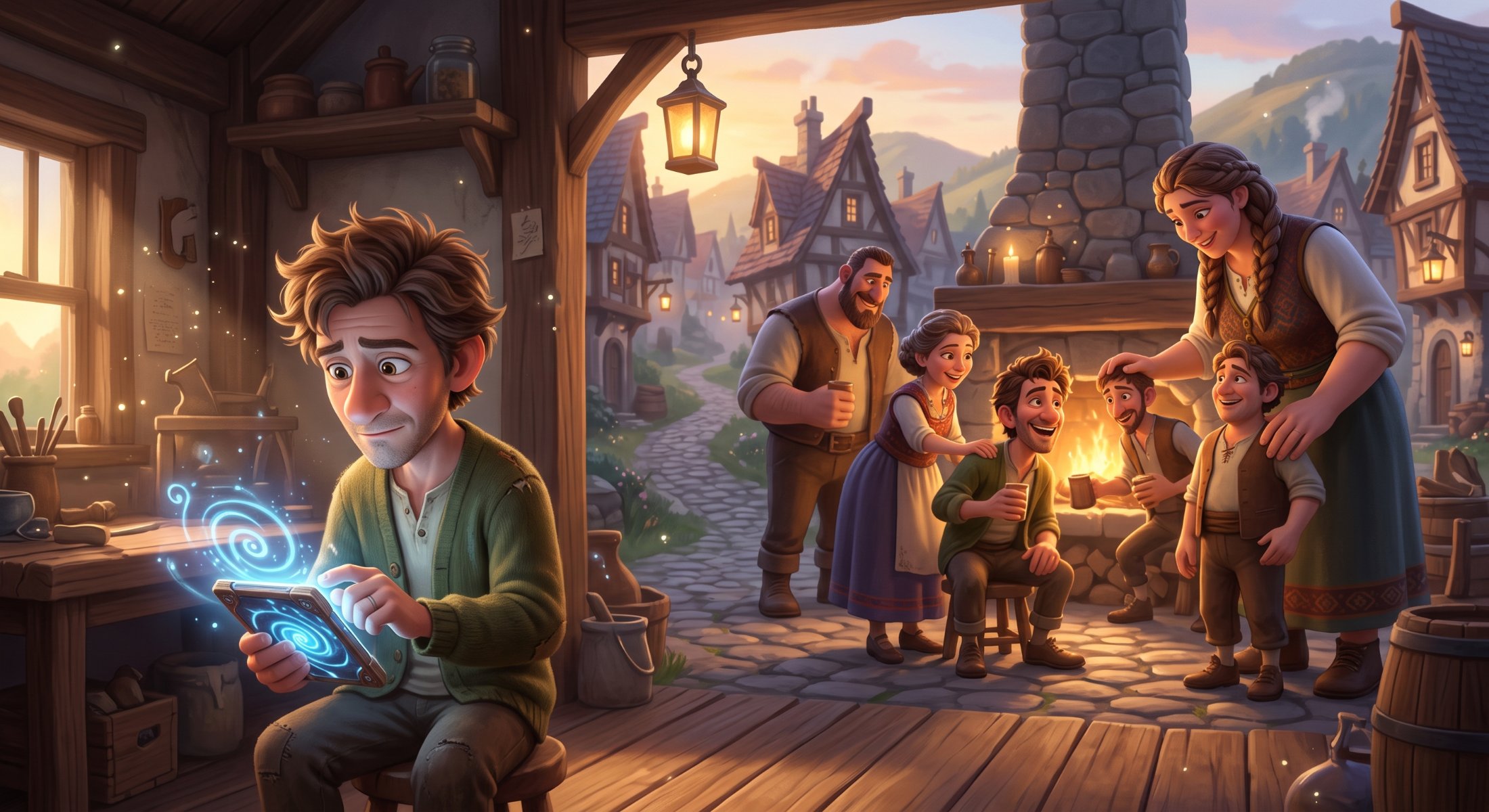
Rimi can name the pattern underneath your choices. He can ask the question that makes you pause and see yourself differently.
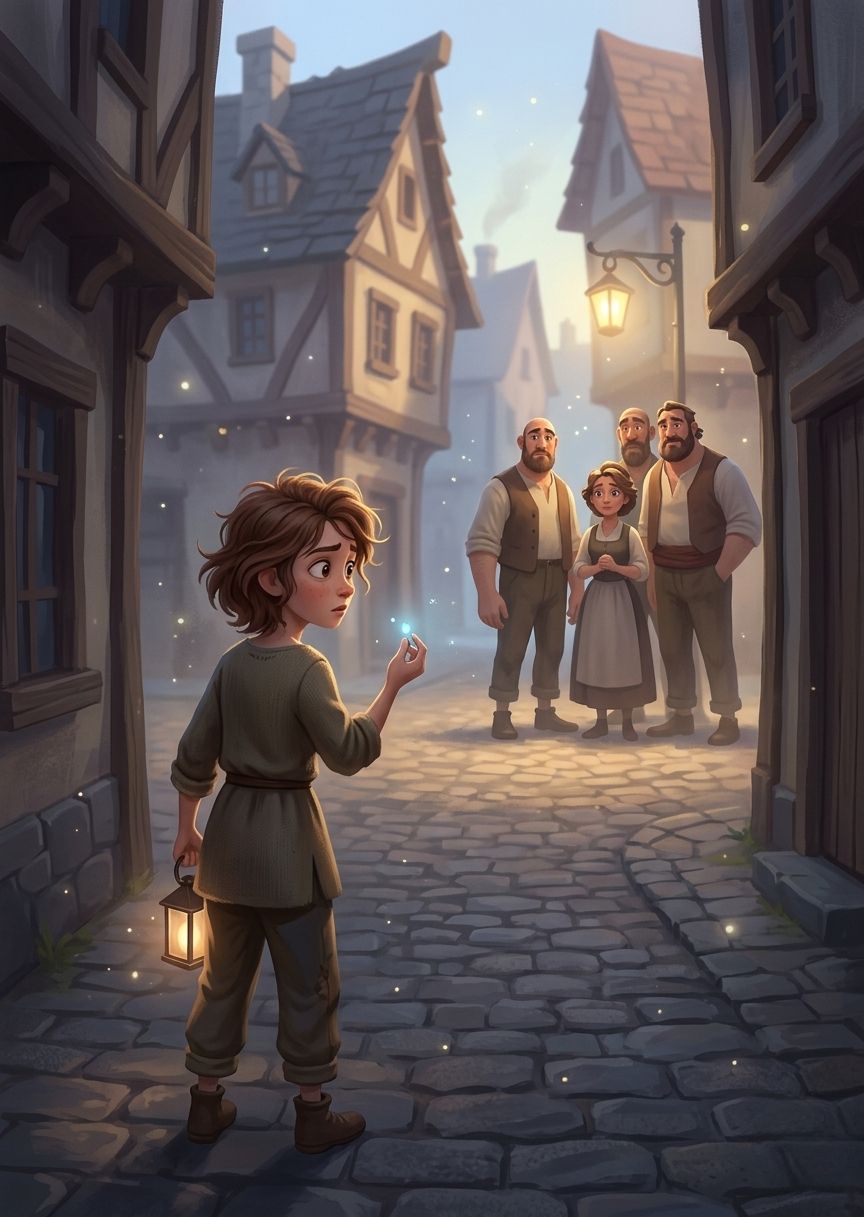
There's something that happens in the quiet after an AI check-in: you get a response that feels useful, maybe even insightful.
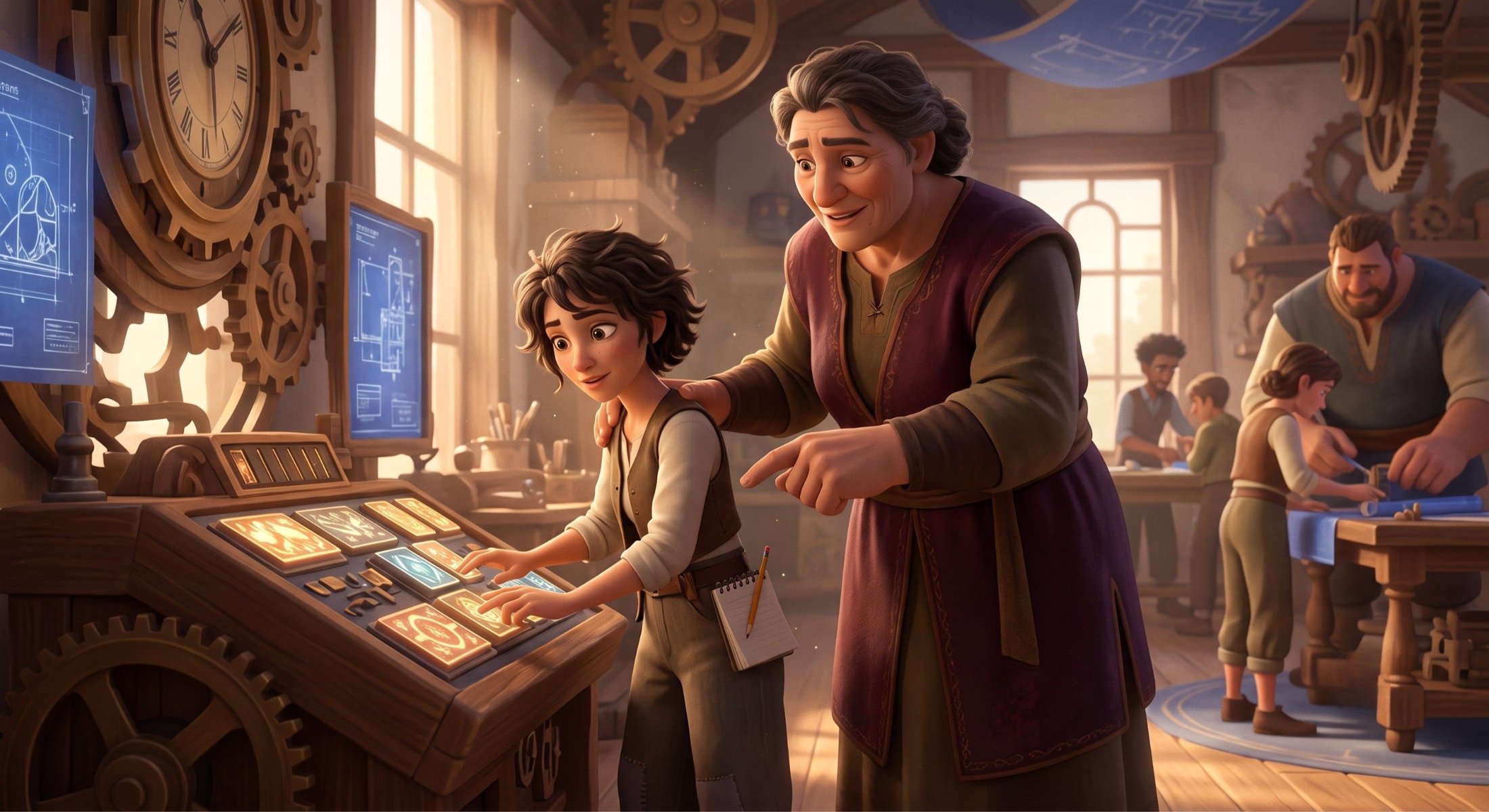
The clearest sign you need coaching: you understand the problem, you know what to do, and you still don't do it.
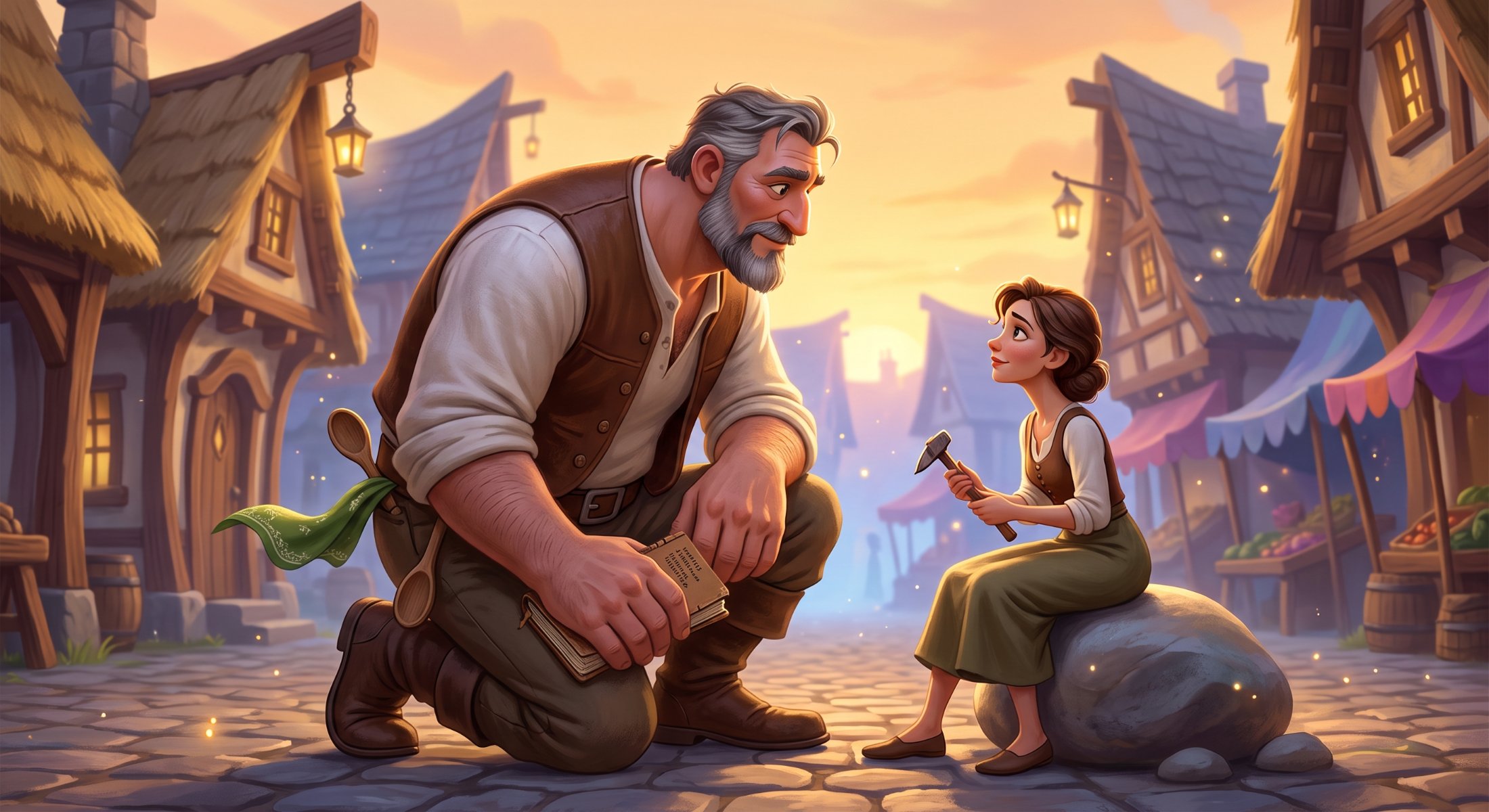
Rimi is big enough to rescue Ritt, and he never does. What the Giant's restraint teaches about becoming a Giant yourself, one journey at a time.